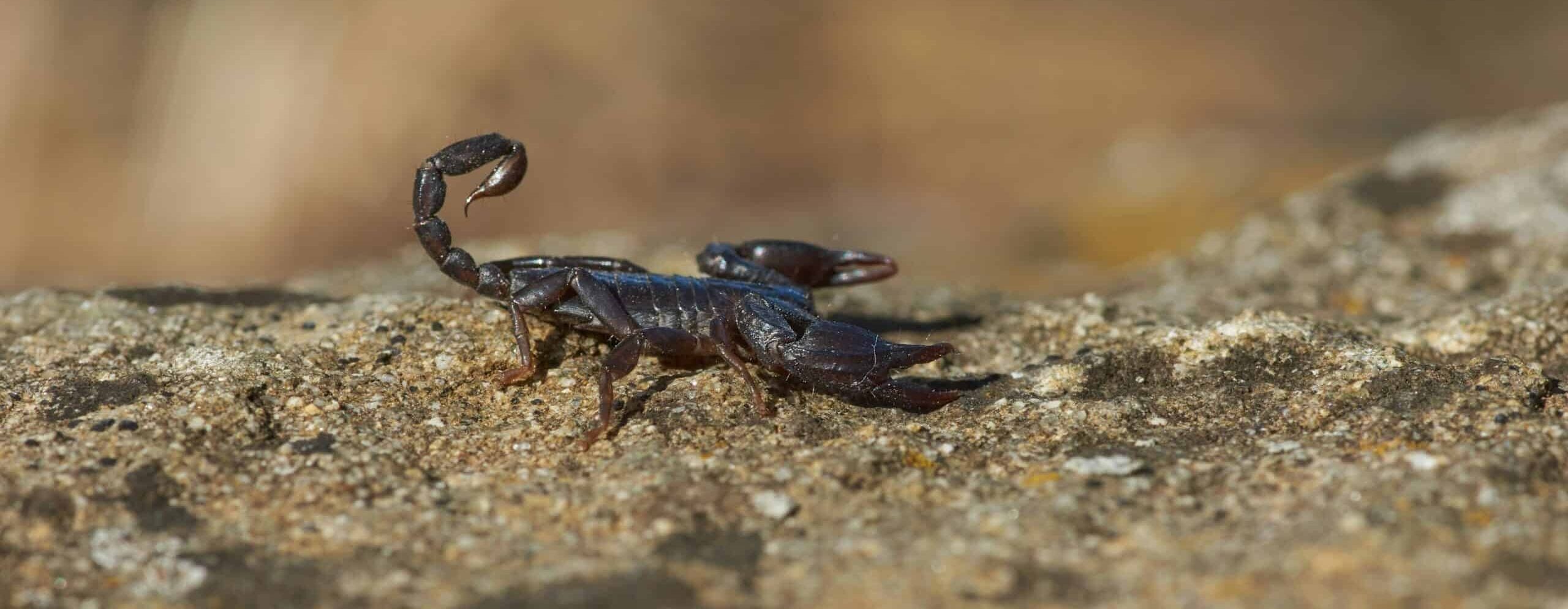
How To Get Rid Of Weevils

Most weevils in a home arrived inside a package of food, not from outside. Throw out the infested package, vacuum and wash the shelves, and move everything else into airtight containers.
The weevils people find in flour, rice and pasta are stored-grain species that were already in the package when it was bought. A separate and harmless group — home-invading weevils — wanders in from the garden, follows moisture indoors, and does not touch food. Telling the two apart decides what you do next.
Weevils that keep coming back? A Moxie technician will identify the species and treat the source. See pest control plans or find your local Moxie branch.
Weevils at a glance
- What they look like — small beetles with a long snout, about the size of the tip of a Sharpie.
- The two kinds — stored-grain weevils, which live in your food, and home-invading weevils, which wander in and are harmless.
- Where they come from — the UC Statewide IPM Program states that pantry pests usually enter the home in an infested package of food.
- Do they bite? No. University of Minnesota Extension states that home-invading weevils do not harm people or pets.
- Where the harmless kind turns up — University of Minnesota Extension reports they are attracted to moisture and are often found in sinks, bathtubs and water basins.
- First step — the UC Statewide IPM Program advises discarding the infested product.
- Second step — the same guidance says to vacuum corners and crevices, then wash the shelves with soap and water.
- Prevention — the UC Statewide IPM Program recommends storing susceptible food in airtight containers, or in a refrigerator or freezer.
- When to call someone — repeat infestations, or weevils spreading beyond one package.
On this page
- What is a weevil?
- Interior weevils — the kind in your food
- Exterior weevils — the kind that wanders in
- Where weevils are found in homes
- The weevil life cycle
- How to get rid of a weevil infestation
Published by Moxie Pest Control · Updated 2 November 2026 · Fact-checked against the sources listed at the end of this page.

What is a Weevil?
A weevil is a small beetle with a long snout. University of Minnesota Extension describes weevils as “small beetles that have noticeable snouts.” Some species have working wings and some do not.
True weevils are insects from the Curculionidae superfamily, typically distinguished by a prominent snout used for chewing. They fall under the same order as beetles (Coleoptera) which is why they share many similarities. Weevils have six legs and may or may not have wings depending on the species. The most common type of weevil that infests homes is a stored-product pest like the grain weevil or rice weevil. Moxie Branch Manager Jonathan Ferreira, ACE (Associate Certified Entomologist) describes these weevils as looking like very small beetles, “about the size of a tip of a Sharpie.” According to Jon, the best way to verify these pests in your home is by their elongated snout. These weevils can also be considered “interior weevils,” while other species live outdoors.

Interior Weevils
Interior weevils live and breed inside dry food, and they nearly always arrive in the package. The UC Statewide IPM Program puts it plainly: “Pantry pests usually enter your home in an infested package of food.”
Stored-grain weevil — a weevil of the genus Sitophilus that lives and breeds inside dry food. The rice, granary and maize weevil are the three that matter in US homes.
Stored grain weevils of the genus Sitophilus are the weevils you’re most likely to run into in your home. These tiny pests can be very difficult to get rid of, as females can lay up to 400 eggs in their lifetime. The main three species that disturb food products in the United States are:
- Rice Weevils (Sitophilus oryzae)
- Granary Weevils (Sitophilus granarius)
- Maize Weevils (Sitophilus zeamais)
These weevils are all brought into homes from stored products like rice, flour, or other grains. “They come straight from the manufacturer,” said Ferreira, “so if you happen to buy a bag of rice at the store that’s infested, weevils become a problem right away.” Despite quality control in food processing plants, occasionally weevils lay eggs in these products before they are packaged and shipped across the country. Once you’ve purchased a product containing weevil eggs, they will begin to hatch, feed, and multiply rapidly. As soon as you notice an infestation, take action right away and call a professional pest control provider.

Exterior Weevils
Exterior weevils live outdoors and come inside by accident. They do not infest food and they do not survive long indoors. UMN Extension: home-invading weevils “are harmless and temporary and will go away on their own.”
Home-invading weevil — an outdoor species, usually the strawberry root weevil, that wanders indoors following moisture. It does not infest food.
Exterior weevil species live outside and depending on the species, these insects stick to one type of food source. Most exterior weevils do not enter homes, and if they do it is usually by accident. They will likely either die or find their way back outside rather than look for food sources in your home. There are a few common species you may encounter:
- Strawberry Root Weevils (Otiorhynchus ovatus). This species is somewhat of an anomaly because they are often found indoors despite being an exterior weevil. They also lack the telltale long snout that many weevil species have. Strawberry root weevils are attracted to moisture and may enter your home looking for shelter or a place to overwinter. They won’t harm you or your pets or infest your food, but they could show up in large numbers near the end of summer.
- Palmetto Weevils (Rhynchophorus cruentatus). This is the largest species of weevil in North America, measuring up to three centimeters. Palmetto weevils are native to Florida, but they can be found in other states along the southern and eastern coasts as well. These weevils are active fliers and feed on various types of palm trees, often inflicting irreparable damage.
- Pine Weevils (Pissodes strobi). This weevil species is very destructive to pine trees. Adults pierce white pines, feed on the tree, and plant eggs inside the puncture wound. Pine weevil larvae then proceed to feed on the inside of the tree, grow into adults, and repeat the damaging process, sometimes leaving the tree unsalvageable.
- Acorn Weevils (Curculio glandium). Acorn weevils focus primarily on acorns, not damaging the trees themselves. These weevils are unique because larvae consume nuts from the inside out, leave a small hole where they exit, and then take up to two years to become adults.

Where are Weevils found in homes?
In the pantry if they are the food kind, and near moisture if they are not. UMN Extension notes that home-invading weevils “are attracted to moisture and are often found in sinks, bathtubs, water basins and similar places.” If you are finding weevils in the house but not in food, they are the harmless kind.
The number one place you’re likely to find weevils inside is in your pantry. Interior stored-product weevils do not live outside, so they’re not entering your home from an exterior habitat, and they won’t wander around aimlessly. Interior weevils come directly from food manufacturers with one goal in mind: to keep eating, multiplying, and eating some more.
Weevil life cycle
You will not see the eggs, because they are laid inside the grain itself. UC IPM describes the female tucking an egg “in a crevice in a kernel of grain.” That is why freezing works on an infestation and cleaning alone does not.
- At 0.1 mm in size, weevil eggs are virtually imperceptible. Rice and grain weevil eggs are stored either inside individual grains of rice or mixed into a bag of flour or other food products.
- Eggs hatch after a few days, and larvae feed on products for about 18 days before becoming adults. Larvae are white and resemble small maggots.
- As adults, weevils look like little black dots rolling around in your grain products or in other areas of your pantry. If you look closely, you’ll be able to see their distinct pointed snouts.
If you happen to find exterior weevils in your home, they will likely be crawling around near an entry point like a window, a door that leads outside, or the garage.

How to get rid of a Weevil infestation
Throw out the infested package, then clean the space it was in. The three steps below, in order, clear an infestation. Airtight storage is what stops it coming back.
A weevil infestation can be pretty difficult to control because of the rate at which they consume food sources and multiply. These insects are almost always brought into your home from an item you purchased at the store, and they often begin reproducing before you even know they’re there. A pest control professional can help eliminate weevils from your home, but there are a few things you can do if you’ve spotted an infestation as well:
Get rid of all your food
The first thing you should do is get rid of all of the food in your pantry that may have been infested. This is one of the very unfortunate symptoms of a weevil infestation, but it is necessary. Weevils are resilient and will get into any food sources they can, so the safest thing to do is get rid of all the possible breeding grounds (i.e. anything that’s not in a sealed container).
Clean food storage areas
Once you’ve emptied out your pantry or food storage cupboards, be sure to clean and disinfect these areas thoroughly. By cleaning these surfaces, you can ensure that you eliminate eggs, larvae, or adults that may remain.
Store grains properly
Store dry food products like flour and rice in airtight containers. This is a good practice for other pantry foods as well, such as cereal, cookies, pasta, and chips. This will help discourage other kitchen pests as well. Contact us today to get help with unwanted pests in your home, and let our friendly field experts put your mind at ease.
Key takeaways
- A weevil is a small beetle with a long snout
- Most weevils arrive inside a package of food, not from outside
- Weevils in the house but not in food are the harmless kind
- Eggs are laid inside the grain, which is why freezing works
- Discard the infested product, then vacuum and wash the shelves
Frequently asked questions
Can you eat food with weevils in it?
It will not poison you, but UC IPM advises that infested food should be discarded, and some stored-product beetles can irritate the mouth and digestive tract.
Do weevils bite?
No. They do not bite, sting or carry disease. UMN Extension states that home-invading weevils “do not harm people or pets, or damage buildings or property.”
Why do I keep getting weevils?
Either a source package you have not found yet, or unsealed storage that lets a new infestation spread. Airtight containers break the cycle.
Does freezing kill weevils?
Yes. Freezing reaches the eggs laid inside grain kernels, which cleaning cannot.
Are weevils a sign of a dirty kitchen?
No. They usually arrive in sealed packaging.
What is the difference between a weevil and a flour beetle?
The snout. Weevils have a long one and flour beetles do not.
How we know this
Moxie treats pantry pests across 44 markets, and the identification notes on this page come from a Moxie branch manager who is an Associate Certified Entomologist and sees these infestations in customers’ kitchens rather than in a reference book. Where this page makes a factual claim about weevil biology or control, it cites a university source for it.
These sources cover identification, where weevils come from, and how to clear and prevent an infestation. Neither university source recommends an insecticide for pantry weevils — the guidance is discard, clean, and store airtight. Nothing here covers weevils as a crop or garden pest.